

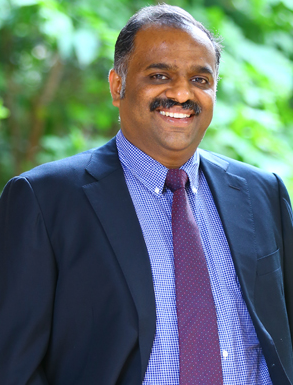




Suburban Diagnostics, belongs to a new breed of pathology-radiology centers. The company established in 1994 by Dr. Sanjay Arora, a well qualified pathologist, specializing in oncology, is one among a new bunch of centers that are growing in prominence in the largely unorganized, even chaotic world of medical diagnostics. Though they do not quite match the size of giants such as SRL India and Metropolis Healthcare, these mini-chains are very much up to scratch when it comes to modern technology and management systems. Hence the reliability of their tests and the quality of service they provide are on par with the best in the land. All the labs belonging to suburban diagnostics are NABL (National Accreditation board for laboratories) and CAP (College of American pathologists) certified.
The have employed a large number of pathologists and an equal number of radiologists; to enhance the level of service they provide to their customers, Suburban has a total of 20 collection centers attached to its 11 laboratories and a team of 30 motorcycle riders who collect samples from their customers’ homes, and even deliver the reports whenever necessary.
Another such company is the Chennai-based Medall Healthcare, whose founder chairman, Mr Raju Venkataraman, describes himself as a serial entrepreneur, having spent most of his career in other industries such as IT. The company currently has over 70 diagnostic centres including radiology and pathology and employs over 100 specialists doctors with postgraduate qualifications apart from almost 2,000 other staff. It has over 140 points of presence including some government hospitals, some medium-sized private hospitals which are spread over four south Indian cities, 16 districts in Tamil Nadu and several medium sized towns in Andhra Pradesh. Medall too is right up there when it comes to technology, having state of the art facilities for CT MRI, nuclear medicine tests and so on. Their growth has mainly been on account of their acquisition of two major acquisitions – Precision Diagnostics in Chennai and Clumax in Bengaluru. But they are obviously doing a lot of things right because in their relative short span of existence, they have chalked up as many as 800 corporate clients. Besides, Precision Diagnostics which was a small organization of just 20 people and ranked 20th in the Chennai market, when Medall took it over a few years ago, is now right up there with regard to market share in Chennai. One of its closest competitors in Chennai is the Lister Metropolis Laboratory, a part of the Metropolis Healthcare network. This is further evidence that how well Medall is doing in a highly competitive market place.
There are plenty of others – Disha Pathology Services in Mumbai, Quadra Medical Services in Kolkata, Supratech Micropath in Ahmedabad, and Anand diagnostic in Bengaluru are just a few examples. Another point of distinction is that while a majority of diagnostic firms have facilities for both radiology and pathology, Disha has stuck to its core competence in pathology. This could be for a variety of reasons. Both of these have very different business models; the radiology segment usually involves a huge capital investment, while entry barriers for a pathology laboratory are generally low. Industry veterans point out that while you can set up a reasonable good pathology laboratory with an investment of about Rs 80 lakh, a state-of the art CT machine could cost up to Rs 3 crore. Unlike some of the other growing players in the diagnostics segment of healthcare, Disha does not believe in establishing branches even within Mumbai.
The have employed a large number of pathologists and an equal number of radiologists; to enhance the level of service they provide to their customers, Suburban has a total of 20 collection centers attached to its 11 laboratories and a team of 30 motorcycle riders who collect samples from their customers’ homes, and even deliver the reports whenever necessary.
Another such company is the Chennai-based Medall Healthcare, whose founder chairman, Mr Raju Venkataraman, describes himself as a serial entrepreneur, having spent most of his career in other industries such as IT. The company currently has over 70 diagnostic centres including radiology and pathology and employs over 100 specialists doctors with postgraduate qualifications apart from almost 2,000 other staff. It has over 140 points of presence including some government hospitals, some medium-sized private hospitals which are spread over four south Indian cities, 16 districts in Tamil Nadu and several medium sized towns in Andhra Pradesh. Medall too is right up there when it comes to technology, having state of the art facilities for CT MRI, nuclear medicine tests and so on. Their growth has mainly been on account of their acquisition of two major acquisitions – Precision Diagnostics in Chennai and Clumax in Bengaluru. But they are obviously doing a lot of things right because in their relative short span of existence, they have chalked up as many as 800 corporate clients. Besides, Precision Diagnostics which was a small organization of just 20 people and ranked 20th in the Chennai market, when Medall took it over a few years ago, is now right up there with regard to market share in Chennai. One of its closest competitors in Chennai is the Lister Metropolis Laboratory, a part of the Metropolis Healthcare network. This is further evidence that how well Medall is doing in a highly competitive market place.
There are plenty of others – Disha Pathology Services in Mumbai, Quadra Medical Services in Kolkata, Supratech Micropath in Ahmedabad, and Anand diagnostic in Bengaluru are just a few examples. Another point of distinction is that while a majority of diagnostic firms have facilities for both radiology and pathology, Disha has stuck to its core competence in pathology. This could be for a variety of reasons. Both of these have very different business models; the radiology segment usually involves a huge capital investment, while entry barriers for a pathology laboratory are generally low. Industry veterans point out that while you can set up a reasonable good pathology laboratory with an investment of about Rs 80 lakh, a state-of the art CT machine could cost up to Rs 3 crore. Unlike some of the other growing players in the diagnostics segment of healthcare, Disha does not believe in establishing branches even within Mumbai.
A related development to the mushrooming of large hospitals all over the country is that hundreds of nursing homes, particularly in the big cities, find their patient load being eroded steadily over the past few years.
Despite these hiccups, a lot of industry experts feel that the pathology services segment as a whole is likely to see an exponential growth in the next few years. The pathology segment is expected to record a healthy growth of 26 percent in the coming years, quoting a recent report from a leading consultancy firm. According to a report by Bain and Company, the combined share of revenue for diagnostic centers (pathology) including all market players is about 200$ million from a prospective underlying revenue of 2$ billion. Medical diagnostic imaging centers will see the same exponential growth as well. They now rake in a combined revenue of 75$ million from a prospective underlying revenue base of 1.5$ billion.
Infact, Fortis’s results for the financial year ending 2014-2015 shows revenues and EBITDA growing at a CAGR or 13 percent and 43 percent percent respectively over the last 3 years . The gross revenue by the end of the financial year 2015 was 846 crores with a growth of 13.3 percent and the EBITDA was 158 crores with a growth of 29.6 percent over the previous year. The EBITDA margins have shown tremendous growth and have moved to 9.8 to 19.8 percent in the last three years.
But it is not just growth for its own sake; there is also money to be made, both at the level of nationwide chains and the local groups limited to just one or two cities. “In the pathology segment, the EBIDTA, that is Earnings Before Interest, Depreciation, Tax and Amortisation, could be in the region of about 20-25 percent, while most companies would aspire to a PAT (profit after tax) of 10-11 percent,” says Mr Sanjeev Vashishta, CEO of SRL. Mr Arora of Suburban also estimates the EBIDTA of most pathology laboratories would be near about 20 percent.
Mr Vashishta does point out that in the radiology segment, however, the EBIDTA would be around 30 percent, but the PAT might be quite a bit lower. This is because the heavy investment involved in a radiology centre also means the interest and depreciation would form a higher component of the EBIDTA than in a pathology laboratory. In both categories, the premises are most often leased for about nine years, which the Fortis Healthcare management describes as an ‘asset light model’ and this has quite an impact in the net profit or PAT. Besides, large organizations such as SRL India also get pathology laboratory equipment on a ‘reagent rental basis’ which means that the equipment suppliers are willing to place their equipment in a big name laboratory on the understanding that the laboratory purchases a certain minimum quantity of consumables from the same vendor. Thus the equipment company does not receive any upfront payment for the machines but gets a steady stream of revenue on account of the consumables.
Such an arrangement offers two major benefits to the laboratory – first, the upfront investment is drastically cut down and second, the manufacturer takes care of technology upgrades as well. This works best in the case of a large laboratory chain with an established brand name which wants to enter a new geography or to carry out a technology upgrade in a recent acquisition. Smaller groups have no choice but to purchase the equipment outright. In the radiology segment however the basis for making purchase decisions could be completely different. A lot of the high-end equipment could entail an investment of Rs 2-3 crore and this not only means that one has to take into account the cost of funds but also ensure a sufficient case load so that the equipment can pay for itself. Even with an optimum load, which implies about 30-35 CT scans per day or 20-25 MRI scans each day, payback period could be as long as four to five years, by which time of course, the technology would have started to become obsolete and the institution would have to start planning for a replacement. The number of radiology centres, even in the big chains is also relatively small – SRL has only 22 centres as against 242 pathology labs, while Metropolis has radiology facilities in just 10-12 of its total 100 centres. “Even there we do basic radiology like X-ray, ultrasound, etc,” says Ms Ameera Shah, CEO, Metropolis Healthcare.
In the radiology departments of most large hospitals, the work load would be similar. “A 400 bed hospital could quite easily expect to get about 30 CT scan requests and perhaps 20 patients requiring an MRI on an average working day,” says Dr Shrinivas B Desai, the head of radiology, Jaslok Hospital. At least half of those requests would be pertaining to patients admitted in the hospital, which places the institution at a distinct advantage over standalone radiology centres. Sometimes hospitals also have a pay per use arrangement with the equipment companies but could go either way depending on the amount that the hospital has to guarantee.
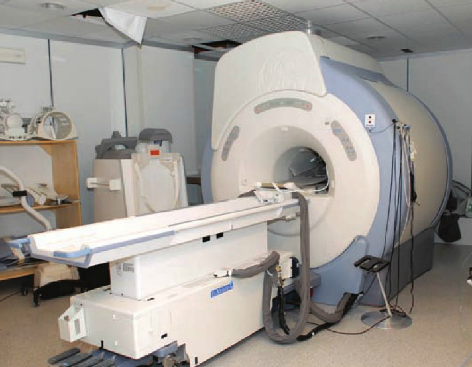
Whether the equipment proves to be a worthwhile purchase also depends on an accurate needs assessment exercise. While the companies always come out with new models, not only of CT and MRI machines but also less expensive equipment such as digital X-ray machines,a lot of diagnostic centres choose equipment that serves their needs, rather than the very latest in the market. Thus a 3 Tesla MRI machine, which is a recent model, could cost double or even more than a 1.5 Tesla variety but the latter could be sufficient for a secondary care hospital if it is located in a tier-II city or if it is just starting out. Likewise, not every CT scan department may require a dual core model; they could be quite well served by a 64-slice machine that has been around in the market for a couple of years.
Another solution for institutions with a modest budget is to opt for refurbished machines. All the big three – GE, Philips and Siemens, as well as a couple of others like Toshiba are willing to buy back a machine that is nearing its period of obsolescence. GE’s ‘gold seal’ programme under which the company takes back the machine after an agreed time period, subjects it to a thorough revamp, and sells it to a new customer with its gold seal of quality. The price is obviously a small fraction of the price of a new machine. “There is a huge market in India for second hand machines,” says Dr. Shrinivas Desai. On the global stage, there is a flourishing market in these second hand machines. “We often buy distressed assets from hospitals in the US or Europe that are closing down, and make them available at a much reduced price in India,” says Mr Sumit Bhasin, President of Timus Global. Likewise, Al Zaitoon, a growing company with operations in India and the Gulf countries regularly puts a variety of pre-owned medical equipment on the market.
“If one takes a look at the bigger picture of radiology devices, it becomes apparent that the total market in India is worth about $500 million (approximately Rs 2500 crore), of which CT machines account for about $100 million and MRI machines for another $150-160 million,” says Mr Jayant Singh, Associate Director, Medical Devices, Frost and Sullivan. In his view, the overall market would continue to grow at about 14-15 percent until 2017-18 although the sub segments of CT and MRI would grow at a slightly slower pace. At present, 300-320 CT machines and 250-270 MRI sets are being sold annually in various parts of the country. Almost 60-65 percent of the CT machines are in the lower slice category, while 25 percent by revenue comes from the high end gadgets, just as a huge majority of the MRI machines belong to the 1.5 Tesla category and a sizeable number are the relatively less powerful 0.2-0.5 Tesla models.
Moving away from the CT/MRI market, it is found that a bulk of radiological devices bought and sold in India are X-ray machines, the more popular being the digital radiography and computer-aided radiography equipment. While the sales of conventional X-ray machines amount to just about Rs 160-170 crore each year and growth is just 2-3 percent, the somewhat more advanced equipment not only command better value but the market is also growing faster. Thus about 130 digital radiography units are being sold each year with growth rates of about 25 percent while the computer aided variety accounts for $ 40 million in sales revenue with a 15 percent annual growth rate. Interestingly, nearly half of the digital x-ray machines being sold in the country are retro-fitted ones but since the prices are much lower, their revenue share is just about 25 percent. Thus, while a brand new, full featured digital X-ray machine would come with a price tag of Rs 70 lakh to Rs 1.5 crore, a retrofitted machine from the same category would cost just one-third of that.
All these complications notwithstanding, the purchase of equipment is often the easy part of setting up a radiology centre. Much more difficult is to find good radiologists, radiographers and other technical people, holding the appropriate qualifications and then to retain them for a considerable period of time. There is a scarcity of qualified radiologists and it has become worse because many corporate hospitals nowadays prefer to employ their radiologists on a full time salary basis. But as Dr Desai points out, the salaries can vary widely (for people with similar qualifications and experience) from city to city, hospital to hospital and at times, even within the same hospital!
To overcome some of these challenges of budgets, revenue sharing, human resources, etc, a number of hospitals prefer to outsource their pathology and radiology departments to an established chain of diagnostic centers. In an ideal world, this would be a win-win situation for both the hospital and the diagnostic firm – both doctors and prospective patients would feel more confident that the lab test are going to be reliable, while the pathology services company would be assured of a minimum level of business from patients getting admitted in the hospital. But in practice, it may not always work that way.
Most hospitals that might consider outsourcing their pathology laboratory often try and keep their radiology department in-house. In the few cases, where the department is outsourced, the hospital could demand and get as much as 30-40 percent of the revenue from the department. This could make a severe dent in the earnings of the radiology company, and prompt them to break off the arrangement. Besides, the host hospital often compels the diagnostic services company to make a substantial ‘security’ deposit in return for concurrence to use their premises. “However, when the time comes to terminate the contract after several years have passed, the hospital usually makes attempts to retain as much of the deposit as it can, on some pretext or the other,” says the CEO of a growing diagnostic chain on conditions of anonymity.
Thus, while the diagnostics industry in India is growing at a comfortable pace and offers plenty of opportunities to companies of different sizes and categories, the road can be quite rocky at times. As several industry leaders have pointed out repeatedly, investors should stay away from standalone radiology centers unless they are sure of their numbers. In the pathology segment, crowded though it, the upfront investment is relatively low and this can prove an attraction for new entrants to the business.
Despite these hiccups, a lot of industry experts feel that the pathology services segment as a whole is likely to see an exponential growth in the next few years. The pathology segment is expected to record a healthy growth of 26 percent in the coming years, quoting a recent report from a leading consultancy firm. According to a report by Bain and Company, the combined share of revenue for diagnostic centers (pathology) including all market players is about 200$ million from a prospective underlying revenue of 2$ billion. Medical diagnostic imaging centers will see the same exponential growth as well. They now rake in a combined revenue of 75$ million from a prospective underlying revenue base of 1.5$ billion.
Infact, Fortis’s results for the financial year ending 2014-2015 shows revenues and EBITDA growing at a CAGR or 13 percent and 43 percent percent respectively over the last 3 years . The gross revenue by the end of the financial year 2015 was 846 crores with a growth of 13.3 percent and the EBITDA was 158 crores with a growth of 29.6 percent over the previous year. The EBITDA margins have shown tremendous growth and have moved to 9.8 to 19.8 percent in the last three years.
But it is not just growth for its own sake; there is also money to be made, both at the level of nationwide chains and the local groups limited to just one or two cities. “In the pathology segment, the EBIDTA, that is Earnings Before Interest, Depreciation, Tax and Amortisation, could be in the region of about 20-25 percent, while most companies would aspire to a PAT (profit after tax) of 10-11 percent,” says Mr Sanjeev Vashishta, CEO of SRL. Mr Arora of Suburban also estimates the EBIDTA of most pathology laboratories would be near about 20 percent.
Mr Vashishta does point out that in the radiology segment, however, the EBIDTA would be around 30 percent, but the PAT might be quite a bit lower. This is because the heavy investment involved in a radiology centre also means the interest and depreciation would form a higher component of the EBIDTA than in a pathology laboratory. In both categories, the premises are most often leased for about nine years, which the Fortis Healthcare management describes as an ‘asset light model’ and this has quite an impact in the net profit or PAT. Besides, large organizations such as SRL India also get pathology laboratory equipment on a ‘reagent rental basis’ which means that the equipment suppliers are willing to place their equipment in a big name laboratory on the understanding that the laboratory purchases a certain minimum quantity of consumables from the same vendor. Thus the equipment company does not receive any upfront payment for the machines but gets a steady stream of revenue on account of the consumables.
Such an arrangement offers two major benefits to the laboratory – first, the upfront investment is drastically cut down and second, the manufacturer takes care of technology upgrades as well. This works best in the case of a large laboratory chain with an established brand name which wants to enter a new geography or to carry out a technology upgrade in a recent acquisition. Smaller groups have no choice but to purchase the equipment outright. In the radiology segment however the basis for making purchase decisions could be completely different. A lot of the high-end equipment could entail an investment of Rs 2-3 crore and this not only means that one has to take into account the cost of funds but also ensure a sufficient case load so that the equipment can pay for itself. Even with an optimum load, which implies about 30-35 CT scans per day or 20-25 MRI scans each day, payback period could be as long as four to five years, by which time of course, the technology would have started to become obsolete and the institution would have to start planning for a replacement. The number of radiology centres, even in the big chains is also relatively small – SRL has only 22 centres as against 242 pathology labs, while Metropolis has radiology facilities in just 10-12 of its total 100 centres. “Even there we do basic radiology like X-ray, ultrasound, etc,” says Ms Ameera Shah, CEO, Metropolis Healthcare.
In the radiology departments of most large hospitals, the work load would be similar. “A 400 bed hospital could quite easily expect to get about 30 CT scan requests and perhaps 20 patients requiring an MRI on an average working day,” says Dr Shrinivas B Desai, the head of radiology, Jaslok Hospital. At least half of those requests would be pertaining to patients admitted in the hospital, which places the institution at a distinct advantage over standalone radiology centres. Sometimes hospitals also have a pay per use arrangement with the equipment companies but could go either way depending on the amount that the hospital has to guarantee.
Whether the equipment proves to be a worthwhile purchase also depends on an accurate needs assessment exercise. While the companies always come out with new models, not only of CT and MRI machines but also less expensive equipment such as digital X-ray machines,a lot of diagnostic centres choose equipment that serves their needs, rather than the very latest in the market. Thus a 3 Tesla MRI machine, which is a recent model, could cost double or even more than a 1.5 Tesla variety but the latter could be sufficient for a secondary care hospital if it is located in a tier-II city or if it is just starting out. Likewise, not every CT scan department may require a dual core model; they could be quite well served by a 64-slice machine that has been around in the market for a couple of years.
Another solution for institutions with a modest budget is to opt for refurbished machines. All the big three – GE, Philips and Siemens, as well as a couple of others like Toshiba are willing to buy back a machine that is nearing its period of obsolescence. GE’s ‘gold seal’ programme under which the company takes back the machine after an agreed time period, subjects it to a thorough revamp, and sells it to a new customer with its gold seal of quality. The price is obviously a small fraction of the price of a new machine. “There is a huge market in India for second hand machines,” says Dr. Shrinivas Desai. On the global stage, there is a flourishing market in these second hand machines. “We often buy distressed assets from hospitals in the US or Europe that are closing down, and make them available at a much reduced price in India,” says Mr Sumit Bhasin, President of Timus Global. Likewise, Al Zaitoon, a growing company with operations in India and the Gulf countries regularly puts a variety of pre-owned medical equipment on the market.
“If one takes a look at the bigger picture of radiology devices, it becomes apparent that the total market in India is worth about $500 million (approximately Rs 2500 crore), of which CT machines account for about $100 million and MRI machines for another $150-160 million,” says Mr Jayant Singh, Associate Director, Medical Devices, Frost and Sullivan. In his view, the overall market would continue to grow at about 14-15 percent until 2017-18 although the sub segments of CT and MRI would grow at a slightly slower pace. At present, 300-320 CT machines and 250-270 MRI sets are being sold annually in various parts of the country. Almost 60-65 percent of the CT machines are in the lower slice category, while 25 percent by revenue comes from the high end gadgets, just as a huge majority of the MRI machines belong to the 1.5 Tesla category and a sizeable number are the relatively less powerful 0.2-0.5 Tesla models.
Moving away from the CT/MRI market, it is found that a bulk of radiological devices bought and sold in India are X-ray machines, the more popular being the digital radiography and computer-aided radiography equipment. While the sales of conventional X-ray machines amount to just about Rs 160-170 crore each year and growth is just 2-3 percent, the somewhat more advanced equipment not only command better value but the market is also growing faster. Thus about 130 digital radiography units are being sold each year with growth rates of about 25 percent while the computer aided variety accounts for $ 40 million in sales revenue with a 15 percent annual growth rate. Interestingly, nearly half of the digital x-ray machines being sold in the country are retro-fitted ones but since the prices are much lower, their revenue share is just about 25 percent. Thus, while a brand new, full featured digital X-ray machine would come with a price tag of Rs 70 lakh to Rs 1.5 crore, a retrofitted machine from the same category would cost just one-third of that.
All these complications notwithstanding, the purchase of equipment is often the easy part of setting up a radiology centre. Much more difficult is to find good radiologists, radiographers and other technical people, holding the appropriate qualifications and then to retain them for a considerable period of time. There is a scarcity of qualified radiologists and it has become worse because many corporate hospitals nowadays prefer to employ their radiologists on a full time salary basis. But as Dr Desai points out, the salaries can vary widely (for people with similar qualifications and experience) from city to city, hospital to hospital and at times, even within the same hospital!
To overcome some of these challenges of budgets, revenue sharing, human resources, etc, a number of hospitals prefer to outsource their pathology and radiology departments to an established chain of diagnostic centers. In an ideal world, this would be a win-win situation for both the hospital and the diagnostic firm – both doctors and prospective patients would feel more confident that the lab test are going to be reliable, while the pathology services company would be assured of a minimum level of business from patients getting admitted in the hospital. But in practice, it may not always work that way.
Most hospitals that might consider outsourcing their pathology laboratory often try and keep their radiology department in-house. In the few cases, where the department is outsourced, the hospital could demand and get as much as 30-40 percent of the revenue from the department. This could make a severe dent in the earnings of the radiology company, and prompt them to break off the arrangement. Besides, the host hospital often compels the diagnostic services company to make a substantial ‘security’ deposit in return for concurrence to use their premises. “However, when the time comes to terminate the contract after several years have passed, the hospital usually makes attempts to retain as much of the deposit as it can, on some pretext or the other,” says the CEO of a growing diagnostic chain on conditions of anonymity.
Thus, while the diagnostics industry in India is growing at a comfortable pace and offers plenty of opportunities to companies of different sizes and categories, the road can be quite rocky at times. As several industry leaders have pointed out repeatedly, investors should stay away from standalone radiology centers unless they are sure of their numbers. In the pathology segment, crowded though it, the upfront investment is relatively low and this can prove an attraction for new entrants to the business.
Articles Archive
Subscribe to Newsletter
What the hack
The New Breed of Diagnostic Centres
A Leader should influence the team to ensure that right ethical decisions are made and should work towards ensuring such a culture is maintained across the organization
Only a disruptive approach to problem solving in the challenging healthcare space can yield results. Jugaadathon 2015 gave us tremendous insights on what it means to crowdsource solutions for healthcare
Live Twitter Feed
Video
GE Leadership

Mandeep Singh Kumar
Director-Commercial
GE Healthcare India & South Asia
Copyright © 2015 GE Healthcare
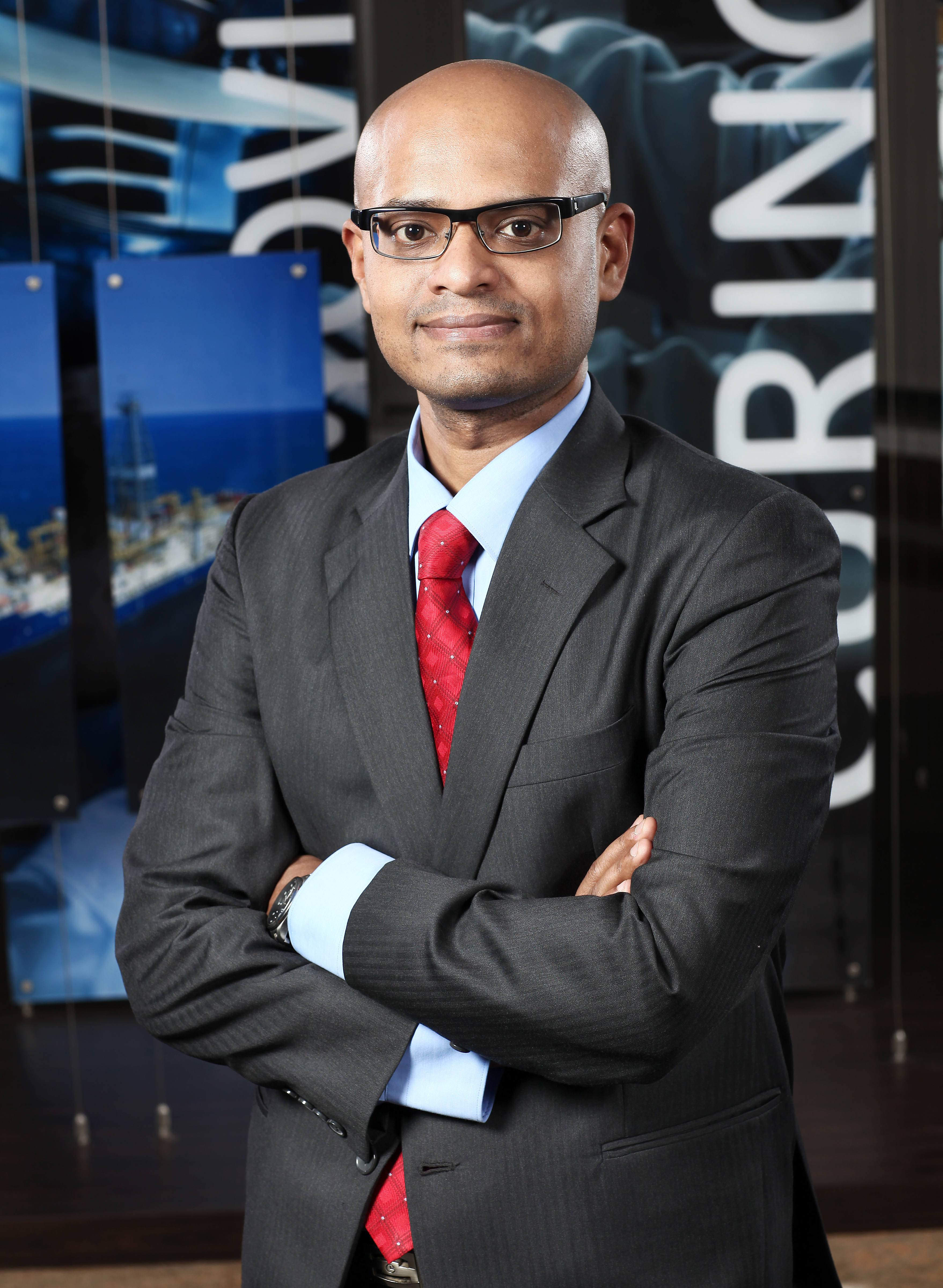
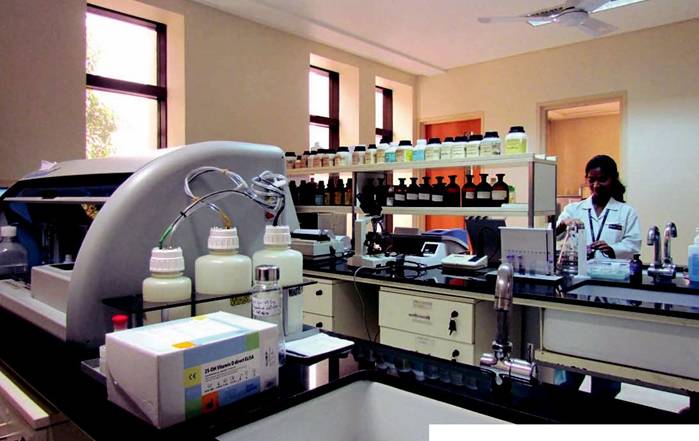
Likewise, Supratech Micropath Laboratory and Research Institute (STMPL), started in 1999 by Dr Sandip Shah with the twin objectives of providing cost-effective and error-free pathology services to the people of Ahmedabad, is also a single institution with no branches. Till date the laboratory services of STMPL have been made available to more than 1 million patients, 2000 medical professionals, 500 pathology laboratories, 100 corporate clients and clinical research organizations and 50 hospitals and healthcare centers across Gujarat, Rajasthan, Madhya Pradesh and other parts of India.
It also claims to be the first NABL accredited laboratory in the states of Gujarat, Rajasthan and Madhya Pradesh. This means two things: one, even in 2003, the year in which Supra-tech got its NABL recognition, there were many others with a similar accreditation in other parts of the country; second, a growing number of laboratories are now attempting to match the NABL standards.
Yet these are exceptions that prove the rule. Of the estimated 20,000-40,000 laboratories that offer pathology testing services in the country today, less than 10 percent have been accredited by the NABL while a sizeable number outside the major metros are actually owned and operated by laboratory technicians. These numbers are at best an educated guess; accurate figures are hard to come by because there is no system of registration, leave alone monitoring, of pathology laboratories in any of the Indian states. Most of these laboratories are able to offer their routine testing services at much lower prices than the recognized, high-quality labs and are often patronized by doctors practicing in nursing homes in the non-metro cities as well as in distant suburbs of the metros. Even then, a growing number of them are finding it difficult to run their business, and this offers an opportunity for the upcoming laboratory chains to gobble them up. One reason could be because people prefer going to a large hospital, prodded by the growing penetration of health insurance, particularly since there is usually a good laboratory within the hospital. Besides, more and more hospitals are now seeking accreditation with NABH (National Board for Accreditation of Hospitals), a sister organization of NABL, both of which function under the Quality Council of India, and quite often, the hospital laboratory is separately accredited with the NABL
It also claims to be the first NABL accredited laboratory in the states of Gujarat, Rajasthan and Madhya Pradesh. This means two things: one, even in 2003, the year in which Supra-tech got its NABL recognition, there were many others with a similar accreditation in other parts of the country; second, a growing number of laboratories are now attempting to match the NABL standards.
Yet these are exceptions that prove the rule. Of the estimated 20,000-40,000 laboratories that offer pathology testing services in the country today, less than 10 percent have been accredited by the NABL while a sizeable number outside the major metros are actually owned and operated by laboratory technicians. These numbers are at best an educated guess; accurate figures are hard to come by because there is no system of registration, leave alone monitoring, of pathology laboratories in any of the Indian states. Most of these laboratories are able to offer their routine testing services at much lower prices than the recognized, high-quality labs and are often patronized by doctors practicing in nursing homes in the non-metro cities as well as in distant suburbs of the metros. Even then, a growing number of them are finding it difficult to run their business, and this offers an opportunity for the upcoming laboratory chains to gobble them up. One reason could be because people prefer going to a large hospital, prodded by the growing penetration of health insurance, particularly since there is usually a good laboratory within the hospital. Besides, more and more hospitals are now seeking accreditation with NABH (National Board for Accreditation of Hospitals), a sister organization of NABL, both of which function under the Quality Council of India, and quite often, the hospital laboratory is separately accredited with the NABL
Let the word spread: